
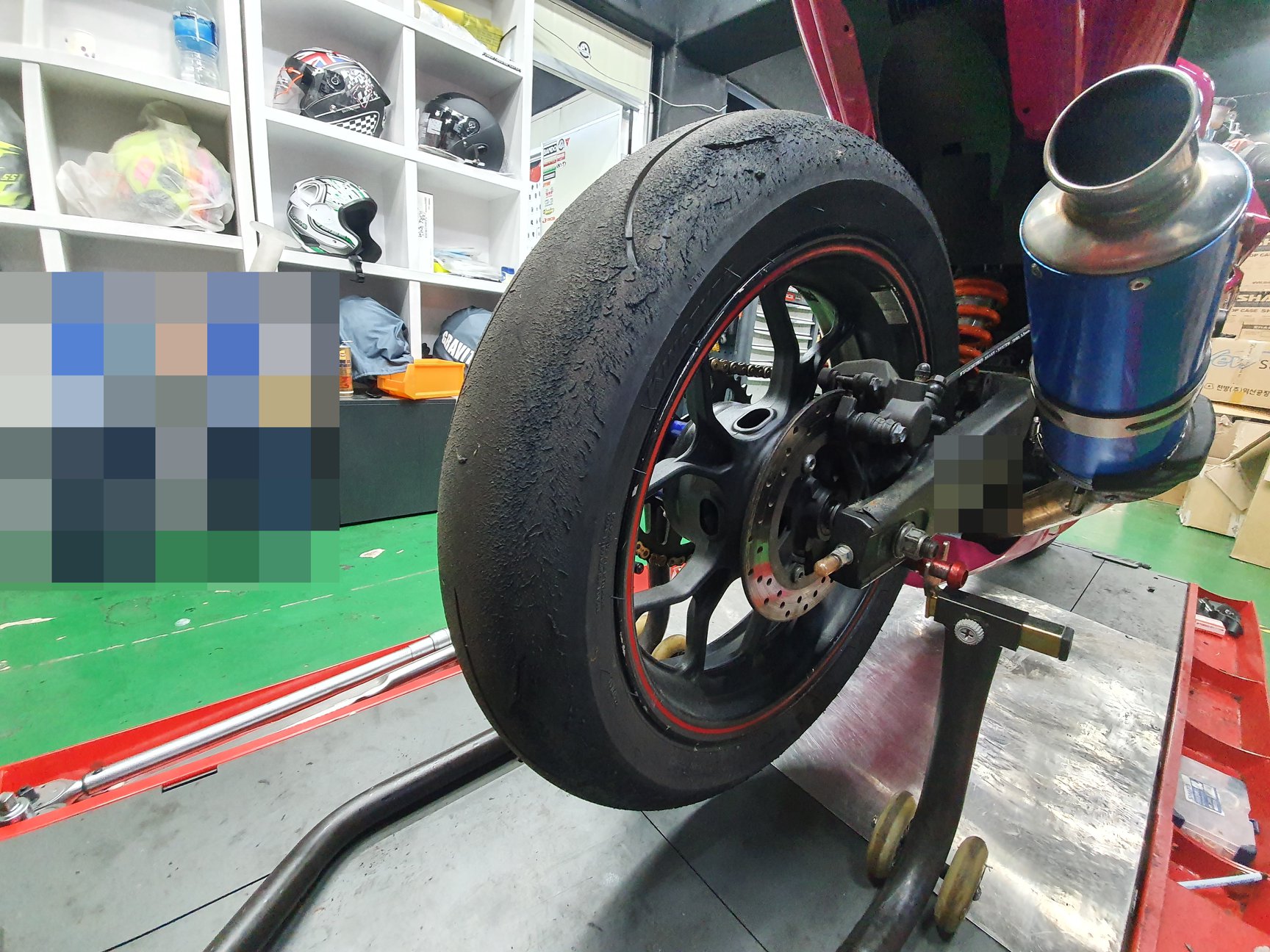
Understanding the difference between slick and semi slick tires is essential for anyone shopping for track tires. On the surface, they look similar—low-profile, aggressive shoulder tread, clearly performance-oriented. But the difference between them fundamentally changes how they perform on track, how they behave in the wet, how long they last, and whether they are legal for your racing class.
The simplest distinction: Slicks have zero tread pattern and are designed for dry track use only. Semi-slicks retain some tread grooves and are street-legal in most jurisdictions while delivering near-track-day performance.
This guide breaks down the difference between slick and semi slick tires across every dimension so you can make an informed purchase for your bike, your track, and your goals. For more context on slick tire performance, read our Kingtyre motorcycle slicks vs premium brands comparison.
| 特徴 | Slick Tire | Semi-Slick Tire |
|---|---|---|
| Tread pattern | None — completely smooth | Grooves present (typically 2–4 channels) |
| Street legal? | No | Yes (DOT / E-mark approved) |
| Dry grip | Maximum — full contact patch | Very high — 90–95% of slick grip |
| Wet performance | Dangerous on standing water | Usable in light rain; limited in standing water |
| Heat cycles | 10–20 competitive cycles | 15–30 competitive cycles |
| Operating temp | 80–120°C surface | 60–100°C surface |
| Tire warmers | Strongly recommended | Recommended but not essential |
| Price | Higher ($$$) | Moderate ($$) |
Slicks are designed with a completely smooth surface. The absence of tread maximizes the contact patch—every square millimeter of rubber contacts the road. The contact patch of a typical slick is approximately 20–25% larger than the same-width semi-slick, because the semi-slick grooves remove rubber from the contact area entirely.
Semi-slicks retain shallow circumferential grooves—usually 2 to 6 channels, depending on the model. These grooves serve two purposes: water evacuation to prevent hydroplaning and street legality, as most regulatory bodies require a minimum tread depth for road use.
In controlled testing on a dry track, the difference between slick and semi slick tires in lap time typically amounts to 0.5–1.5 seconds per lap on a 1.5–2 minute circuit.
| Condition | Slick Advantage | Reason |
|---|---|---|
| High-speed corners (100 km/h+) | 0.3–0.8 sec | Larger contact patch supports higher lateral G |
| Braking zones | 0.1–0.3 sec | More rubber = shorter stopping distance |
| Low-speed corners | 0.1–0.4 sec | Softer compound = better mechanical grip |
| Exit traction | Minimal | Both tires manage power well with proper setup |
| タイヤの種類 | Optimal Surface Temp | Cold Feel | Notes |
|---|---|---|---|
| Slick | 90–120°C | Rock-hard, slippery | Requires aggressive driving to heat up |
| Semi-slick | 60–100°C | Firm but pliable | Warms up faster, works on cooler days |
On a cool spring morning (15°C ambient), semi-slicks reach operating temperature in 2–3 laps; slicks may need 5–6 hard laps. Semi-slicks are more forgiving for intermediate riders who may not generate enough cornering force to keep slicks in their window. For guidance on tire pressure management across both types, see our racing slick tire pressure guide.
| Condition | Slick | セミ・スリック |
|---|---|---|
| Damp track (drying line visible) | Manageable with caution | Good grip, more confidence |
| Light rain | Dangerous — no water evacuation | Functional at reduced speed |
| Standing water | Do not drive — immediate hydroplaning | Limited — avoid deep puddles |
Semi-slicks typically last 1.5–2× longer in track days because they run cooler, the tread blocks create some mechanical compliance, and they are driven less aggressively on average. For a deeper look at tire durability over time, see our article on how many heat cycles a slick tire can handle.
| タイヤの種類 | Typical Lifespan (Track Days) | Cost per Lap |
|---|---|---|
| Slick (soft compound) | 3–5 track days | Higher |
| Slick (medium compound) | 5–8 track days | Moderate |
| Semi-slick | 8–15 track days | Lower |
Kingtyre semi-slicks are DOT-approved and offer excellent road manners for a performance tire, making them a practical option for riders who use their bike as a daily rider and weekend track machine.
Choose slicks if: You compete in a class that allows slicks, you trailer your bike to the track, you are chasing lap times and willing to manage tire warmers, and you track in consistently dry, warm conditions.
Choose semi-slicks if: You ride your bike to the track on the same tires, you are new to intermediate in track riding, you track in variable weather, you want lower overall tire costs per season, or your competition class does not allow slicks.
Learning the difference between slick and semi slick tires and choosing correctly can save you money and improve your track experience. For more detail on tire wear and safety, see our guide on what causes tread cracking on slick tires.
No. Slicks have zero water evacuation capability. At speeds above 60 km/h in standing water, you will hydroplane with no warning.
Semi-slicks typically handle 15–30 competitive heat cycles vs 10–20 for slicks of similar compound, because they operate at lower temperatures and experience less thermal degradation.
Semi-slicks are safe in light rain at reduced speeds but should not be treated like all-season tires. In heavy rain, reduce speed significantly and avoid standing water.
For the latest technical standards and regulations on track tire classification, consult resources from the Tire Industry Association そして FIM World Championship for competition tire guidelines.
 Japanese
  English
  Spanish
  French
  German
  Korean
  Italian
  Russian
  Dutch
Dutch  Danish
  Portuguese
  Polish
  Turkish
  Czech
Czech
Tread Cracking on Slick Tires: Causes Guide || Kingtyre says:
[…] for extended life, making them resistant to heat checking. For more on tire selection, see our slick vs semi slick tires […]